



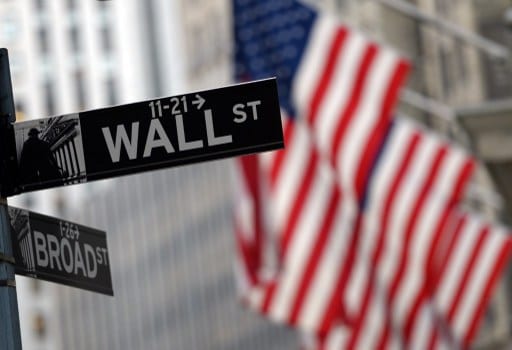
US stock markets rallied on Monday, January 5, 2026, fueled by optimistic announcements from Nvidia and AMD regarding next-generation AI platforms, and the US military’s intervention in Venezuela. The gains were broad-based, with all major indices participating in the upward momentum.
Dow Jones Hits Record High
The Dow Jones Industrial Average led the charge, surging 1.23% to a record high, reflecting market confidence in the potential economic benefits of the Venezuelan intervention. The Russell 2000 index of small-cap stocks also posted a significant gain, climbing 1.58%. The tech-heavy Nasdaq Composite advanced 0.69%, while the S&P 500 rose 0.64%, indicating a positive but slightly more muted response to the AI news and geopolitical developments.
Top Australian Brokers
- Pepperstone - Top Australian broker - Read our review
- eToro - Invest in ASX and international shares - Read our review
Nvidia and AMD’s announcements at CES 2026 were key catalysts for the market’s upward trajectory. Nvidia CEO Jensen Huang unveiled new AI models targeting autonomous vehicles and introduced advanced AI chips, calling it the “ChatGPT moment for physical AI.” This signals a shift towards AI systems capable of interacting with the physical world, with robotaxis expected to be early adopters. The company plans to test a robotaxi service by 2027. AMD CEO Lisa Su presented the Helios system, the company’s upcoming AI data center platform, positioning it as the “world’s best AI rack,” featuring 72 of AMD’s MI455X chips. AMD also provided details on its MI500 series data center GPUs, claiming a potential 1,000x increase in AI performance compared to previous models.
The US military’s capture of Venezuelan President Nicolás Maduro triggered a surge in energy stocks. Following President Donald Trump’s proposal for US oil firms to assist in rebuilding Venezuela’s oil infrastructure, companies like Chevron and Halliburton experienced substantial gains. However, the intervention also sparked protests across several US cities, with demonstrators reviving the “No Blood for Oil” slogan, reflecting concerns about potential conflicts driven by energy interests. According to an Associated Press report, the Dow’s surge was directly correlated with the increase in energy sector valuations.
Analysts caution that rebuilding Venezuela’s oil industry will be a complex and costly endeavor. Estimates suggest that restoring oil production to pre-crisis levels could require $80-$90 billion over six to seven years. This undertaking will necessitate a secure operating environment, fiscal clarity, and sanctions relief, according to a report published by Axios. The long-term challenges in revitalizing Venezuela’s oil industry may temper investor enthusiasm in the energy sector, despite the initial positive reaction.
The market’s response to these events highlights the interconnectedness of technological innovation and geopolitical developments. While the AI sector benefited directly from the announcements at CES, the energy sector’s gains were contingent on the success of the US intervention in Venezuela and the subsequent rebuilding of its oil infrastructure. The protests and criticisms surrounding the intervention underscore the potential for social and political instability to impact market sentiment. Looking ahead, the performance of US stocks will likely depend on the continued progress of AI technologies, the stability of the political situation in Venezuela, and the ability of US companies to navigate the challenges of rebuilding its oil industry.
US Stocks Analyst Summary
Bull Case
- AI innovation boosts tech sector, driving Nasdaq and S&P gains.
- Intervention in Venezuela increases energy stock valuations.
- Rebuilding Venezuela’s oil sector presents long-term opportunities.
Bear Case
- Protests and criticisms create market uncertainty.
- Rebuilding Venezuela’s oil industry faces significant hurdles.
- Geopolitical instability could negatively impact market sentiment.




