



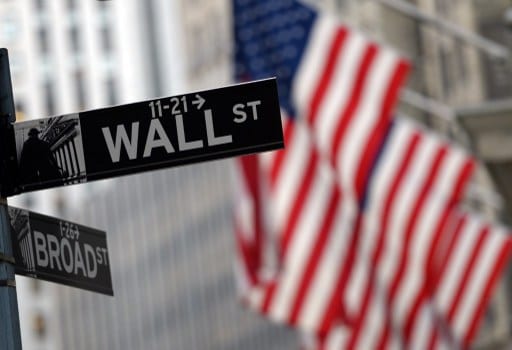
U.S. markets surged today, with major indices recording their strongest gains since May, as diplomatic signals from both Washington and Tehran fuelled optimism that the costly U.S-Iran conflict may be approaching a negotiated resolution.
The Dow Jones Industrial Average climbed 1,112 points, or 2.46 percent, as the S&P 500 added 2.89 percent, while the technology-heavy Nasdaq Composite led the charge with a 3.79 percent surge, marking the best single-day performance for both indices since last spring.
The rally was broad-based but particularly pronounced in sectors that had suffered most acutely during the monthlong conflict. The Technology Select Sector SPDR Fund (XLK) traded 4.2 percent higher, with semiconductor giant Nvidia climbing 5.56 percent and Microsoft advancing over 3.6 percent. Aerospace and defense names also participated, with Boeing shares jumping 5 percent on the session.
Volume was elevated across exchanges, suggesting institutional participation rather than merely retail enthusiasm, and the CBOE Volatility Index dropped sharply, reflecting reduced fear premiums in options markets.
Driving the Move
The rally was triggered by a confluence of diplomatic developments that suggested both sides may be seeking an exit from a conflict that has disrupted global energy markets and threatened broader economic stability.
Top Australian Brokers
- Pepperstone - Top Australian broker - Read our review
- eToro - Invest in ASX and international shares - Read our review
The Wall Street Journal reported that President Donald Trump had indicated to aides his willingness to end military hostilities against Iran even if the Strait of Hormuz through which roughly 20 percent of global oil and liquefied natural gas normally flows remained largely closed. This represented a significant shift in U.S. positioning, effectively decoupling the military campaign from the thorny logistical and sovereignty issues surrounding the strategic waterway.
Separately, multiple Middle Eastern news outlets reported that Iranian President Masoud Pezeshkian stated Iran possesses “the necessary will to end the war,” conditional on receiving guarantees to prevent future aggression. While the Iranian leader’s statement came with numerous preconditions including demands for reparations, security assurances, and recognition of Iran’s strategic control over Hormuz markets interpreted the public acknowledgment of readiness to negotiate as a meaningful de-escalation signal.
The New York Post later quoted President Trump saying he believes the Iran war will likely end soon, with other nations taking the lead in efforts to reopen the Strait of Hormuz, further reinforcing the narrative that Washington may be seeking to hand off the complex maritime security challenge to regional and international partners.
Oil prices responded immediately to the diplomatic headlines. Brent crude fell approximately 3 percent to around $104 per barrel, while U.S. West Texas Intermediate declined roughly 1.5 percent to the $101-102 range. The retreat from recent peaks near $119, levels not seen since the acute phase of the Russia-Ukraine conflict in 2022, provided crucial relief to markets that had been pricing in sustained inflationary pressure and potential margin compression across energy-intensive sectors.
Outlook and Uncertainties
While Tuesday’s price action clearly reflects a market view that the worst-case scenarios are becoming less probable, significant structural uncertainties remain. No formal ceasefire framework has been announced, and the diplomatic signals to date consist primarily of media reports, back-channel communications, and conditional public statements rather than binding agreements.
Iran’s stated preconditions for ending the conflict, particularly demands for reparations and formal recognition of its strategic control over Hormuz present substantial political obstacles for Washington and its regional allies. The U.S. willingness to end military operations without fully resolving the Hormuz question suggests that supply chain disruptions, elevated shipping insurance costs, and structural energy market tightness could persist even after active hostilities cease.
Military operations have not halted, with continued U.S. and Israeli strikes targeting Iranian naval and missile capabilities, and Iranian-backed forces maintaining pressure on assets in Gulf states. This creates ongoing risk of escalation accidents or breakdown in fragile diplomatic channels, particularly given the involvement of multiple regional actors with competing interests.
The rally reflects genuine optimism that diplomatic off-ramps are emerging from a conflict that has roiled markets and elevated recession risks, yet the foundation remains fragile, built on unconfirmed reports and conditional statements rather than signed frameworks. Markets have begun to discount some of the worst case, yet there remains a way to go in order to restore markets anywhere close to former glories.




