



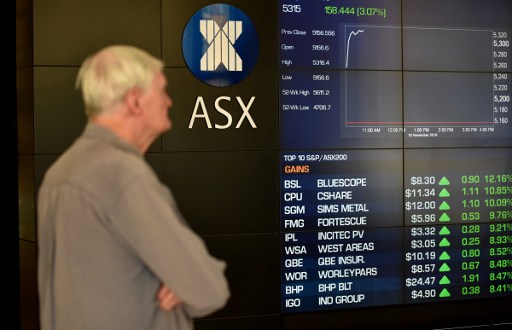
If you are checking whether the ASX is open today, the answer depends on two things only: what day it is in Australia and whether there is an ASX trading holiday or early close.
The Australian Securities Exchange follows a predictable schedule that makes planning your investment activities straightforward. Monday to Friday represents the standard trading week, with the ASX cash market operating during normal trading sessions, which are 10am to 4pm AEST/ AEDT. Saturday and Sunday remain closed for the ASX cash market, providing a clear weekend break from live trading.
Public holidays and selected year-end dates create exceptions to this standard schedule. During these periods, the market may be closed entirely or operate with early closing times depending on the specific date and ASX calendar requirements. You can find a list of the public holidays in the table below, along with the market closed dates.
| Public Holiday | 2026 | Open/Closed |
|---|---|---|
| New Year's Day | Thursday Jan 1 | Closed |
| Australia Day | Monday Jan 26 | Closed |
| Good Friday | Friday 3 Apr | Closed |
| Easter Monday | Monday 6 Apr | Closed |
| ANZAC Day | Saturday 25 Apr | Closed |
| King’s Birthday | Monday8 June | Closed |
| Last Business day before Christmas Day | Thursday 24 Dec | Close at 2.10pm |
| Christmas Day | Friday 25 Dec | Closed |
| Boxing Day | Monday 28 Dec | Closed |
| Last Business day of the Year | Thursday 31 Dec | Close at 2.10pm |
Use this practical checklist to determine current market status quickly and accurately:
- If today is Saturday or Sunday, the ASX cash market remains closed, though you can usually prepare orders that will wait for the next trading session
- If today is a normal weekday, the market typically operates during standard ASX trading hours (10am – 4pm)
- If today falls on a public holiday listed on the ASX calendar, the market is likely closed for the entire day, but check the table above for specifics
Top Australian Brokers
- Pepperstone - Top Australian broker - Read our review
- eToro - Invest in ASX and international shares - Read our review
Weekend Trading Limitations
The ASX cash market does not operate on Saturday or Sunday, which means you cannot do on market trading weekend hours. However, this does not prevent you from engaging in important preparatory activities that support your investment strategy.
During weekend or closed days, you may still be able to log in to your trading platform, review your current holdings, place orders that will queue for the next trading session, and research market news to prepare for Monday’s opening, although Easter gives you the Friday, and Monday, for a real trading break. These activities help you stay informed and ready for the next trading opportunity, but they do not constitute live exchange trading.
Understanding this distinction prevents confusion about order execution timing and helps you set realistic expectations for when your trades will actually process through the exchange system.
Order Placement Outside Market Hours
This area often creates confusion, as you can frequently place an order outside market hours through your broker, but this does not mean the order executes immediately or at current prices.
Orders placed outside trading hours typically queue until the relevant ASX session begins. If you enter an order on Sunday night, that order waits for Monday’s trading session to open before processing. This delay affects price execution and timing, particularly for market orders that execute at the price when the market opens.
If you are going to place orders outside of market hours, it is best to use limit orders so that any significant moves in price do not impact your execution price, and that your order fills at a price you are comfortable with. In periods such as Easter, when the markets are closed for four days, Friday to Monday inclusive, plenty can happen that could have a material impact on the price on Tuesday morning. This year in particular, with the volatile situation in the Middle East, and macro news playing a real driving force behind market moves, you will want to be particularly careful about any market orders you are thinking of setting up outside of hours.
Using Market Closures
When the exchange is closed, if you are at a loss, you can still use the time strategically to improve your investment approach. Check company announcements that may affect your holdings, review your watchlist for potential opportunities, and compare your preferred entry price with the last closing price.
Consider choosing limit orders if price control matters for your strategy, and set price alerts instead of making emotional trading decisions. This preparation time often proves more valuable than reactive trading during market hours. For those interested in automated strategies, exploring auto trading platforms can help execute trades when markets reopen.
Bottom Line
If it is Saturday or Sunday, the ASX cash market is closed. If it is a normal weekday, the market will ordinarily operate during ASX trading hours, which is 10am until 4pm AEST / AEDT. If it is a public holiday or special calendar date, check the table above before placing trades, as placing an order and having one execute are two separate things.




