



Orora shares (ASX: ORA) fell 5.78% on Wednesday after management warned that group earnings will contract further in FY27, with persistent headwinds at its troubled French glassmaker Saverglass overwhelming growth elsewhere in the business.
That was all markets needed for the sell-off, as the Orora share price rounded out the day at A$1.30, adding to the YTD punishment that now stands at -41.22%. The sell-off came in the wake of the company’s 13th Annual General Meeting, where management delivered a cautious forward outlook that offered little comfort to markets already nursing deep losses on the stock.
Why Orora Shares Are Falling
The central issue weighing on Orora is Saverglass, the premium glass packaging business acquired in a debt-funded deal that has since become a significant source of shareholder frustration. At the AGM, management confirmed that FY27 group EBIT is expected to fall below FY26 levels, citing a combination of external pressures that show no immediate signs of abating.
US import tariffs continue to erode Saverglass’s competitive economics in one of its key export markets, while ongoing disruptions to Middle East shipping routes have idled the company’s RAK glass production facility. The knock-on effect has been both operational and financial: volumes in the first quarter of FY27 came in modestly lower, and the product mix has shifted toward lower-priced, lower-margin glass, compressing average selling prices and degrading earnings quality.
Top Australian Brokers
- Pepperstone - Top Australian broker - Read our review
- eToro - Invest in ASX and international shares - Read our review
Adding to the pressure, depreciation and amortisation expenses are projected to rise to between A$180 million and A$185 million for FY27, reflecting the capital investment cycle associated with the Rocklea beverage cans plant expansion. That incremental D&A burden alone represents a meaningful drag on reported EBIT, even before accounting for Saverglass’s operational softness.
The company also confirmed a non-cash impairment charge of approximately €450 million (~A$743 million) against the Glass business in its full-year accounts. Chair Rob Sindel acknowledged at the AGM that Saverglass’s financial performance had fallen materially short of the expectations underpinning the original acquisition thesis. In a gesture toward accountability, the board announced zero short-term incentive payouts for Key Management Personnel for FY26, while long-term incentives from the FY24 grant lapsed unvested due to missed performance hurdles. Fixed pay for senior management has been frozen for FY27.
Positives Struggle To Shine Through
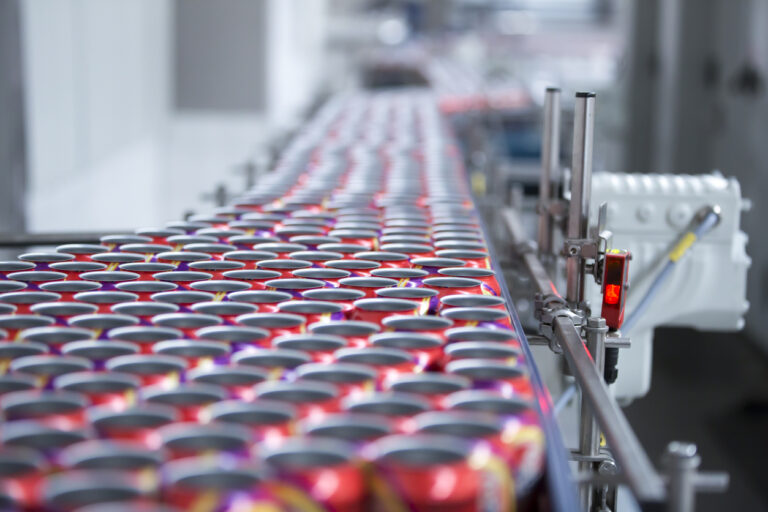
The Cans division continues to perform with genuine momentum, delivering 13.3% revenue growth and 6.3% volume growth in FY26, underpinned by the structural shift in Australian and New Zealand beverage markets toward recyclable aluminium packaging. Management expects volumes to grow at a historical rate of 4% to 6% going forward, and the completed Rocklea expansion provides the capacity headroom to capture that demand. Gawler Glass, meanwhile, is expected to contribute approximately A$30 million in EBIT to FY27 results following a successful restructuring to a streamlined two-furnace operating model, which reduced energy consumption by around 31%.
On the balance sheet, underlying operating cash flow came in at A$291 million for FY26, with a cash realization rate of 98.3%. Net debt stood at approximately A$481 million, representing leverage of around 1.2 times EBITDA, a level that provides a reasonable liquidity buffer and keeps refinancing risk contained.
The company also repurchased approximately 56 million shares for A$118 million under its on-market buyback program during the year, returning capital to holders indirectly. Despite the rays of light, it is a case of struggling to shine through against the bigger picture.
What Next?
The near-term outlook for Orora is clouded by FY27 earnings being second-half weighted, as cost-saving initiatives gain traction and alternative logistics arrangements for Saverglass come online. However, markets will need tangible evidence of stabilisation in premium glass volumes and pricing before reassessing.
This is a business in transition, but the path back to earnings growth is long, and not without risk, leaving the shares caught struggling for momentum.
Bull Case:
- Low leverage of 1.2x EBITDA and 98.3% cash conversion limit downside balance sheet risk.
- Cans division growing at 4-6% annually with expanded Rocklea capacity to capture demand.
- Gawler Glass restructuring delivers ~A$30 million EBIT contribution with 31% energy savings.
- Non-cash impairment preserves cash flow, dividends, and liquidity capacity intact.
- FY27 earnings are second-half weighted as cost initiatives and Oman routing take effect.
Bear Case:
- FY27 group EBIT confirmed to fall below FY26; earnings contraction cycle not yet complete.
- Saverglass EBIT recovery target of €30 million is a long-dated FY30 horizon.
- US tariffs and Middle East conflict show no near-term signs of resolution.
- Elevated short interest of 5.56% keeps the stock volatile and prone to sharp sell-offs.
- Negative price-mix shift at Saverglass compounds volume weakness, eroding margin quality.




