



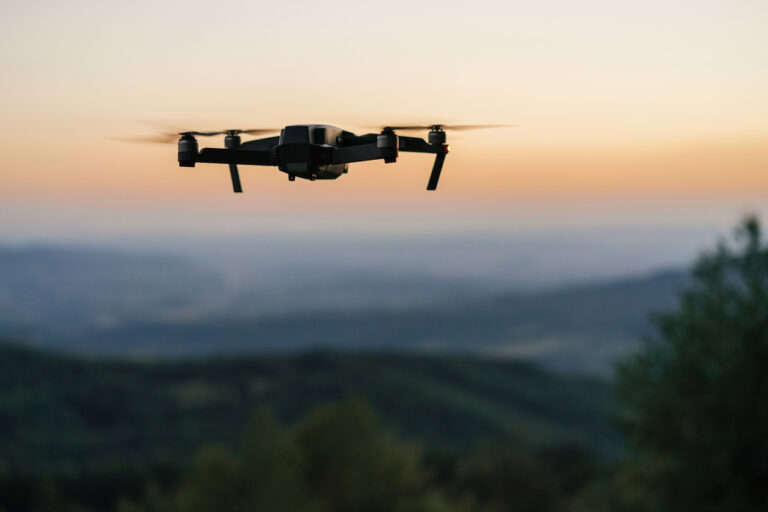
DroneShield Limited shares (ASX:DRO) closed at A$2.90 on Friday, marking a 9.09% decline on the day, and capping a dramatic reversal that has seen the counter-drone firm shed 38.69% from its A$4.73 peak reached just two weeks earlier.
The Droneshield share price closing below the psychologically significant A$3.00 threshold comes amid broader market weakness, with the ASX 200 declining 2% in a session that spared few sectors. However, DroneShield’s pullback has been notably more severe than the broader market, reflecting heightened volatility in high-growth names that have experienced substantial gains earlier in the cycle.
Technical analysis reveals a potential double top pattern at the A$4.73 level, a bearish formation that often precedes extended declines. The selloff represents a stark reversal in sentiment for a company that had been one of the ASX’s standout performers, with markets reassessing the sustainability of DroneShield’s valuation multiple in light of recent corporate developments and pipeline adjustments.
The Details
The dramatic shift in market sentiment stems from multiple converging factors that have fundamentally altered the investment narrative around DroneShield. In mid-November 2025, the company faced its most significant governance challenge when CEO Oleg Vornik and Chairman Peter James sold their entire holdings, collectively divesting approximately A$70 million worth of shares. The mass executive exodus from the stock raised immediate questions about management’s confidence in the company’s near-term prospects and created a crisis of trust with the shareholder base.
Top Australian Brokers
- Pepperstone - Top Australian broker - Read our review
- eToro - Invest in ASX and international shares - Read our review
Compounding these concerns, U.S. CEO Matt McCrann abruptly resigned, while a contract announcement was subsequently reclassified, further undermining credibility with markets. The vesting of 44.5 million performance options also introduced dilution concerns at an inopportune moment, adding technical selling pressure to an already fragile sentiment backdrop.
Despite these headwinds, DroneShield’s operational performance has remained robust. The company reported a 277% surge in annual revenue to A$216.5 million for FY2025, demonstrating strong commercial traction in the counter-drone technology market. However, this achievement was overshadowed by the announcement that the company’s sales pipeline had contracted from A$2.55 billion in October 2025 to A$2.09 billion in January 202, a reduction of approximately A$460 million that suggested potential challenges in converting opportunities into firm contracts.
The pipeline contraction sparked a three-day selloff totaling 16.5% that initially pushed the stock below A$4.00, with the decline accelerating as technical support levels gave way. Markets interpreted the reduced pipeline as evidence that the elevated growth rates embedded in the stock’s previous valuation may prove difficult to sustain, particularly given the extended sales cycles typical of defence procurement.
Outlook
The confluence of governance concerns and operational uncertainties has left DroneShield shares searching for a technical and fundamental floor. From a chart perspective, the stock has retraced 38.69% from its recent peak, approaching the 38.2% Fibonacci retracement level that technical traders often monitor as potential support. However, the breakdown below A$3.00 eliminates a key psychological support level and opens the possibility of further downside toward the A$2.50 region if sentiment fails to stabilise.
The broader defence technology sector has experienced increased volatility as markets engage in profit-taking following substantial gains earlier in the year. DroneShield, having delivered exceptional returns to long-term shareholders, became a natural target for such positioning adjustments. The question facing markets now is whether the recent selloff represents a healthy consolidation within an intact uptrend or the beginning of a more fundamental re-rating.
Bulls point to the company’s strong revenue growth, expanding global footprint in counter-drone technology, and the structural tailwinds supporting defence spending in an increasingly complex geopolitical environment. The technology itself addresses a critical and growing threat vector, with applications spanning military, critical infrastructure, and public safety domains. Despite the pipeline reduction, A$2.09 billion in potential contracts still represents substantial opportunity relative to the company’s current revenue base.
Bears counter that the executive share sales represent a significant red flag that cannot be easily dismissed, particularly when combined with governance issues and the U.S. CEO departure. The pipeline contraction raises questions about competitive intensity and whether DroneShield can maintain its first-mover advantages as larger defence contractors enter the counter-drone market. Valuation remains elevated on traditional metrics despite the recent decline, leaving limited margin for execution missteps or further pipeline disappointments.
The coming weeks will prove critical as markets assess whether institutional support emerges at current levels or whether the technical damage inflicted by the recent selloff triggers further liquidation. With volatility working both ways, any stabilisation in the share price could attract bargain hunters, while failure to hold above A$2.90 may accelerate the search for deeper support levels as momentum traders exit remaining positions.




