



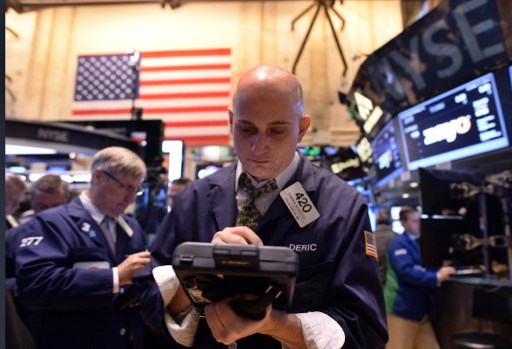
US stock markets experienced a second consecutive day of losses on Wednesday, as investors digested a mixed bag of corporate earnings reports and economic data. The S&P 500, Dow Jones Industrial Average, and Nasdaq Composite all closed lower, reflecting a cautious market sentiment.
US Stocks Fall in Early Wednesday Trading
The S&P 500 declined by 0.5%, while the Dow Jones Industrial Average edged down 51 points, or 0.1%. The Nasdaq Composite underperformed, falling 0.96%, pressured by declines in major technology stocks. This pullback follows a period of record highs, driven by optimism surrounding easing inflation and expectations of future interest rate cuts. The current market behavior suggests investors are becoming more discerning as earnings season progresses and valuations remain elevated.
Top Australian Brokers
- Pepperstone - Top Australian broker - Read our review
- eToro - Invest in ASX and international shares - Read our review
Several major banks reported earnings on Wednesday, contributing to the market’s negative tone. Wells Fargo shares fell 4.5% after the bank’s profit and revenue figures missed expectations. Bank of America, despite reporting earnings of $0.98 per share on revenue of $28.53 billion, saw its stock decline by 4.7%. Citigroup also experienced a 3% drop in its share price following its earnings release. These results raised concerns about the overall health of the banking sector.
Technology stocks also faced headwinds, with Nvidia shares decreasing by 2.3% and Broadcom shares falling by 4.6%. The tech-heavy Nasdaq Composite’s decline was largely attributed to these losses, as investors showed caution in the high-growth technology sector.
Economic data released Wednesday painted a mixed picture. The Consumer Price Index (CPI) rose 2.7% in December, exceeding the Federal Reserve’s 2% target, which could influence future monetary policy decisions. Retail sales data, however, showed better-than-expected results, indicating consumer resilience. Wholesale inflation was moderate, and home sales were strong, further contributing to the complexity of the economic landscape.
Political developments added to market volatility. A Department of Justice criminal investigation into Federal Reserve Chair Jerome Powell raised concerns about the central bank’s independence. Additionally, President Trump’s proposal to cap credit card interest rates at 10% put pressure on financial stocks, as such a measure could impact bank profitability.
In contrast to the broader market decline, the energy sector experienced gains. U.S. crude prices increased by 0.9%, driven by protests in Iran that could potentially affect oil supply. Energy companies such as Exxon Mobil and Chevron saw their stock prices rise in response to the increase in oil prices.
Analyst Summary
Bull Case
- Strong retail sales indicate resilient consumer spending.
- Energy sector gains offset some market losses.
- Expectations for future rate cuts remain.
Bear Case
- Disappointing bank earnings weigh on financials.
- Rising CPI exceeds Fed’s inflation target.
- Political uncertainty adds to market volatility.
The US market‘s decline on January 14, 2026, reflects a combination of factors, including disappointing bank earnings, a selloff in technology stocks, mixed economic data, political uncertainties, and geopolitical tensions affecting the energy sector. The coming days will be critical in determining whether this pullback is a temporary correction or the start of a more significant downward trend.




