



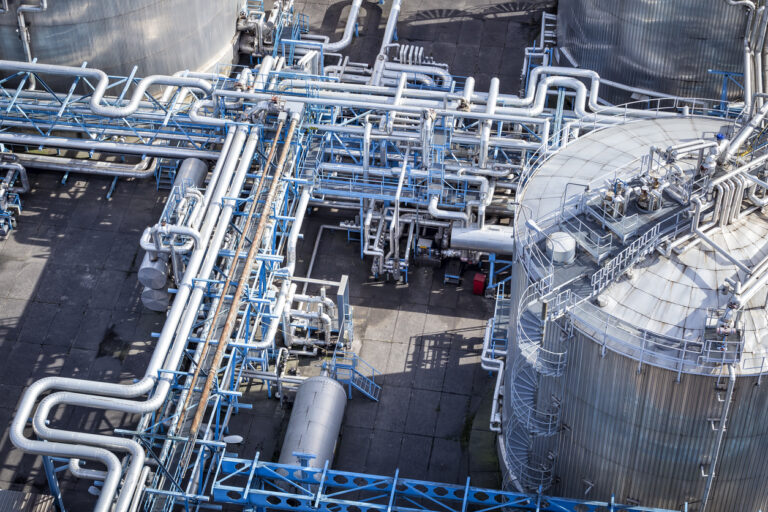
Viva Energy shares (ASX:VEA) posted the strongest single-day gain on the ASX 200 today after flagging a substantial first-half earnings beat driven by exceptionally high refining margins stemming from Middle East supply disruptions.
The Viva Energy share price rounded out the day at A$2.65, up 8.61%, leading all ASX 200 constituents and marking the stock’s best single-session performance in recent memory.
The move reflects a broader reassessment of refining assets globally. While Viva’s shares had languished earlier in 2026 amid concerns about long-term refinery viability and transition risks, today’s update forces markets to confront the near-term reality of historically tight product markets and the strategic value of domestic refining capacity during geopolitical crises.
Blockbuster First-Half Results
Viva’s 1H26 trading update revealed group EBITDA on a replacement cost basis of A$770–780 million, approximately 9% above consensus estimates of A$708 million and more than double the A$305 million recorded in the prior corresponding period. The upgrade stems primarily from a dramatic expansion in Geelong refining margins, which averaged US$21.1 per barrel compared to US$8.2 per barrel a year earlier, an increase of more than 2.5 times.
Top Australian Brokers
- Pepperstone - Top Australian broker - Read our review
- eToro - Invest in ASX and international shares - Read our review
The Energy & Infrastructure division contributed approximately A$353 million in EBITDA despite an April fire at the Geelong refinery’s alkylation unit that temporarily reduced operations to around 70% of capacity. Production has since recovered to above 90% of normal levels, with the company maintaining supply commitments through a combination of imports and inventory management during the outage period.
Net debt declined to approximately A$1.7 billion at 30 June 2026, down from A$2.1 billion at year-end 2025, reflecting strong cash conversion from elevated earnings. The A$400 million debt reduction over six months significantly improves Viva’s financial flexibility and positions the company to potentially return capital to shareholders or fund strategic investments.
Total group sales volumes reached 8,490 megalitres versus 8,367 megalitres in the prior year, with Convenience & Mobility fuel volumes up 2.4% and Commercial & Industrial volumes rising 1.0%. The volume growth, albeit modest, demonstrates resilience in demand despite elevated retail fuel prices across Australia.
Tailwinds and Supply Constraints
The extraordinary refining margin environment reflects the confluence of the 2026 Iran conflict and resulting Strait of Hormuz disruption, which the International Energy Agency has characterised as the largest oil supply shock on record. Middle East crude and product exports have been severely constrained since March, while refining capacity able to fill the gap remains limited across Asia and globally.
Regional product shortages have been particularly acute for diesel and gasoline, with Australian markets experiencing sporadic supply tightness and elevated wholesale prices. Viva’s Geelong refinery, as one of only two remaining refineries in Australia, has captured outsized margins as a result of its strategic position and ability to serve domestic demand during import disruptions.
The company has been working closely with government agencies, including Export Finance Australia, to secure additional fuel supplies and maintain strategic stocks during the crisis. This collaboration underscores Geelong’s role in national fuel security and may provide some insulation from political or regulatory pressure despite high consumer prices.
The April alkylation unit fire initially raised concerns about extended downtime and lost earnings, but the rapid recovery to above 90% capacity by June has helped shift the narrative around Geelong’s operational reliability. During the April–May period when the refinery was operating at reduced rates, margins averaged US$23.90 per barrel as tight product markets and optimised production mix offset volume losses.
Analyst View
The 9% EBITDA beat will likely force sell-side analysts to materially revise earnings estimates and price targets higher, particularly if elevated refining margins persist through the second half of 2026. Prior to today’s update, consensus estimates appeared to underweight the magnitude and duration of the margin tailwind from Middle East disruptions.
However, many traders and investors recognise that the current earnings profile is heavily geared to cyclical and geopolitical factors. If Middle East supply gradually normalises into 2027 and refining capacity comes back online, margins could compress sharply from current levels above US$20 per barrel toward historical averages in the single digits.
The improved balance sheet and cash generation provide some buffer against an eventual margin normalisation, but Viva’s valuation will remain sensitive to assumptions about the duration of elevated refining economics. At A$2.65, the stock trades at an implied mid-single-digit earnings multiple if current margins persist, but potentially low double digits if margins revert to historical norms.
Looking Ahead
Viva Energy’s dramatic earnings upgrade and share price surge reflect a market that had underestimated both the scale of near-term refining tailwinds and the operational resilience of the Geelong asset. The combination of a material earnings beat, rapid debt reduction, and demonstrated ability to navigate a major operational incident has reset the narrative around the stock, at least in the near term.
Yet the bull case remains heavily dependent on factors largely outside management’s control: the duration of Middle East supply disruptions, the pace of refining capacity restarts globally, and the trajectory of product demand in a high-price environment. While Geelong’s strategic importance provides some franchise value, markets will remain cautious about extrapolating current margins too far into the future.
Today’s move has the Viva Energy share price back within 4 cents of a 52 week high, and on the cusp of a breakout from a two year range that has held firm in earlier attempts.
Bull Case:
- Refining margins above US$20/bbl could persist through 2027 if Middle East normalisation lags
- Net debt reduction to A$1.7bn unlocks capital return or strategic investment capacity
- Geelong’s national security role provides political protection and franchise value premium
- Volume growth despite high prices demonstrates market share resilience and pricing power
- Rapid fire recovery proves operational capability and reduces stranded asset risk perception
Bear Case:
- Earnings heavily geared to cyclical geopolitical shock likely to reverse in 2027
- Political and regulatory backlash risk from elevated consumer fuel prices and shortages
- Aging refinery operational risks remain despite recent recovery from April fire incident
- Net debt of A$1.7bn still elevated and vulnerable if margins normalise quickly
- Long-term energy transition pressures on refining demand and investment case fundamentals




