



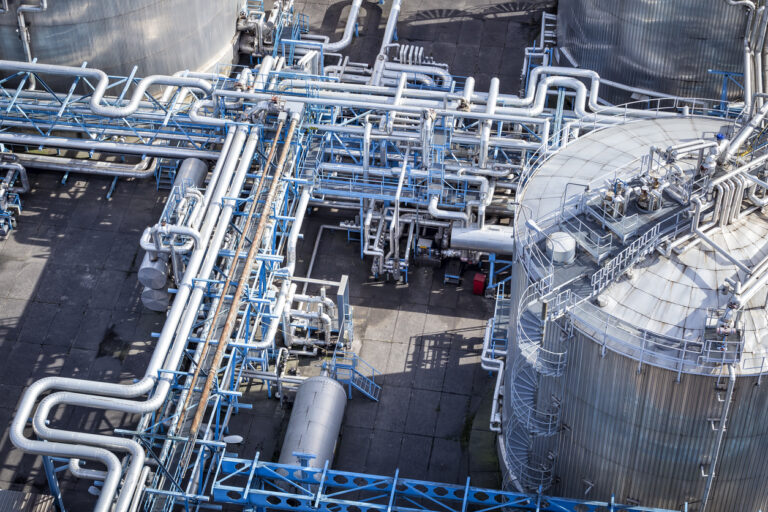
Viva Energy shares (ASX: VEA) fell more than 7% on their return to trading today, after the company disclosed that a major fire at its Geelong refinery will slash petrol production by 40% and diesel output by 20% in the coming weeks.
The Viva Energy share price reopened at A$2.31, and sit at A$2.34, down 7.71% from their last traded price of A$2.53 before a four-day trading halt. The stock touched intraday lows near A$2.29 as markets digested the operational and financial uncertainty stemming from the 15 April incident. Trading volumes spiked to more than three times the daily average as institutional and retail holders reassessed their positions in one of Australia’s two remaining oil refineries.
The sharp sell-off reflects immediate concerns about near-term earnings drag and the potential for extended downtime at a facility that represents a core pillar of Viva’s integrated energy business. Prior to the halt, Viva shares had rallied strongly through the first quarter of 2026 on the back of elevated refining margins and government support for domestic fuel security.
What Happened at Geelong
The fire broke out in the Alkylation Unit of the gasoline complex at Geelong Refinery late on 15 April, with flames and multiple explosions visible for hours. Emergency services including Fire Rescue Victoria responded and contained the blaze without injuries to personnel. Viva immediately requested a trading halt the following morning, citing the need to assess the impact of what it termed a “significant fire” at the 120,000 barrel-per-day facility.
Top Australian Brokers
- Pepperstone - Top Australian broker - Read our review
- eToro - Invest in ASX and international shares - Read our review
In its resumption statement released Monday, Viva confirmed that the incident was confined to the Alkylation Unit and that major processing units including crude distillation and reformer operations remain unaffected. However, the company has taken its Residue Catalytic Cracking Unit offline as part of stabilisation efforts, contributing to the production shortfall.
Short-term production guidance indicates diesel and jet fuel output will run at approximately 80% of normal capacity, while petrol production has been cut to around 60% of capacity. The company stated it expects to restore production across all three fuels to over 90% of capacity in the coming weeks, subject to completion of plant inspections and repairs to the damaged unit.
Viva emphasised that it holds sufficient fuel stocks and has activated its import program to maintain normal supply to customers across its retail and commercial network. The company said it does not anticipate disruptions to fuel availability at service stations or for aviation and industrial customers.
Financial and Insurance Considerations
The company has commenced an assessment of repair costs and the broader financial impact of the outage, but stopped short of providing specific figures in Monday’s announcement. Viva confirmed it has notified insurers regarding both property damage and business interruption coverage, suggesting that a material portion of direct losses and foregone margin may be recoverable.
Markets are now waiting for detailed guidance on the quantum of insured versus uninsured losses, the capital expenditure required to repair or replace the Alkylation Unit, and the timeline for returning to full nameplate capacity. Analysts note that even a temporary reduction in throughput will weigh on Geelong Refining Margin-linked earnings in the second and potentially third quarters of 2026.
The incident also raises questions about operational risk and maintenance capital at Geelong, which has experienced a series of Tier 1 and Tier 2 process safety incidents in recent years. A power-related shutdown in early 2025 forced a brief production curtailment, and the latest fire may reinforce investor concerns that elevated operational risk and capex requirements are structural features of the aging asset.
Strategic and Regulatory Context
Geelong Refinery remains a strategic asset in Australia’s fuel supply chain and is one of only two oil refineries still operating in the country. The facility is central to federal government fuel security arrangements, including support payments designed to sustain domestic refining capacity. The fire has attracted significant media and political attention, with local and national outlets highlighting the implications for fuel supply and energy security.
Viva has committed to a full investigation into the cause of the fire, with preliminary industry commentary suggesting an equipment failure or faulty mechanical component in the alkylation unit may have triggered a gas leak. The investigation will be closely watched by regulators and could result in additional compliance requirements or mandated upgrades, particularly given the high-profile nature of the incident and the use of hydrogen fluoride in alkylation processes.
Bull Case:
- Major processing units unaffected; production to exceed 90% within weeks
- Insurance coverage in place for property damage and business interruption
- Strategic importance reinforced; potential for continued government policy support
- No injuries; incident contained quickly, reducing tail risk of prolonged shutdown
Bear Case:
- Near-term earnings downgrade likely from reduced throughput and lost refining margins
- Pattern of operational disruptions raises questions about maintenance standards and capex
- Unquantified financial impact creates uncertainty; repair costs and timeline unclear
- Regulatory scrutiny may increase, potentially requiring additional compliance investment and weighing on valuation
The company reiterated its commitment to maintaining operations at Geelong and ensuring reliable supply for customers, framing the refinery as an integral part of its national fuel network. However, the operational disruption and associated costs are likely to prompt fresh debate among analysts and shareholders about the long-term economics and risk profile of domestic refining versus an import-based supply model.




