



Viva Energy Group shares (VEA) declined on Tuesday even as the company announced the successful restart of its critical Residue Catalytic Cracking Unit at Geelong, with the stock caught in a broader energy sector selloff as conflict-driven oil premiums unwind.
Shares of Viva Energy (ASX: VEA) closed down 2.35% at A$2.08, extending Q2 losses to 19%, despite what would typically be considered positive operational news. The decline reflects a sector-wide de-rating of energy stocks as crude oil prices retreat from conflict-driven peaks, with WTI crude falling back into the low-to-mid US$70s range. The broader ASX energy index has come under pressure as markets unwind positions built on Middle East supply disruption fears, with peace talks and restored shipping through the Strait of Hormuz draining the geopolitical risk premium that had supported refining equities through April and May.
Trading volumes were elevated as the market digested the operational update against a backdrop of normalising global oil markets, where 10-12 million barrels recently transited the Strait of Hormuz in a single day following the easing of US Central Command restrictions on Iranian port traffic.
The Restart at Viva Energy
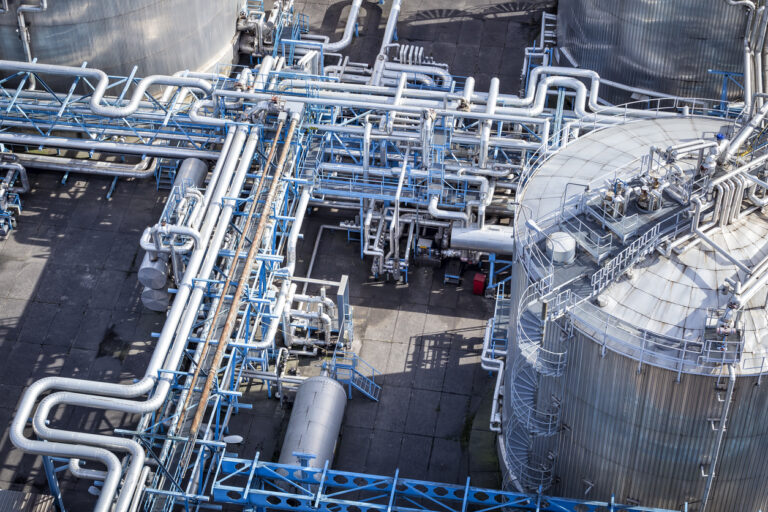
Viva Energy reported the successful restart of the Residue Catalytic Cracking Unit at its 120,000 barrel-per-day Geelong refinery, restoring production to over 90% of normal capacity following the April 15 fire that disrupted operations at one of Australia’s only two remaining refineries. The RCCU restart, achieved roughly six weeks after the incident, validates management’s initial timeline guidance and removes the tail risk of prolonged downtime that had worried markets in the immediate aftermath of the fire.
For the April-May 2026 period, Viva reported a Geelong Refining Margin of US$23.9 per barrel on refining intake of 6.5 million barrels over the two months. This represents a substantial improvement from the US$12.1 per barrel GRM achieved in the fourth quarter of 2025 on 9.4 million barrels of intake, underscoring how conflict-driven dislocations in regional product markets have supported exceptionally strong economics for Australian refiners during the outage recovery period.
Top Australian Brokers
- Pepperstone - Top Australian broker - Read our review
- eToro - Invest in ASX and international shares - Read our review
The company maintained that diesel and jet fuel production operated at approximately 80% of capacity during the disruption, with petrol at around 60%, while sufficient inventory levels and import arrangements ensured continuity of customer supply throughout the incident response period.
However, the alkylation unit where the fire originated remains offline, limiting Viva’s ability to convert LPG and other light hydrocarbon streams into high-octane gasoline components. The company disclosed that assessment of repair versus full replacement options for the alkylation unit is currently underway, though no timeline or capital expenditure guidance has been provided. This uncertainty represents the primary operational overhang for the stock, as the alkylation unit decision will materially affect gasoline yields, product margins, and capital allocation through 2026-27.
Viva has engaged insurers for both property damage and business interruption coverage, with investigation into the fire’s cause and full damage assessment ongoing. Insurance proceeds are expected to offset some of the financial impact from lost production and repair costs, though the quantum and timing of recoveries have not been quantified publicly.
Margin Questions
The exceptionally strong US$23.9 per barrel refining margin reported for April-May raises questions about sustainability as the macro environment normalises. Refining margins globally had spiked following the Iran conflict as product supply chains were disrupted and regional capacity was constrained, creating a temporary windfall for operating refiners. With crude prices now falling and Middle East production signalling a return to higher output levels, markets are reassessing whether elevated GRMs represent a new baseline or a transient spike.
Refiners can sometimes benefit when crude feedstock costs fall faster than finished product prices, particularly in diesel and jet fuel where supply remains relatively tight. However, the unwinding of conflict premiums typically compresses crack spreads as the entire barrel complex adjusts, and Viva will need to demonstrate that structural factors support margins above historical averages as geopolitical tailwinds fade.
The company has not yet provided formal guidance for second-half 2026 refining margins, leaving analysts to model a range of scenarios from sustained strength to reversion toward the US$12-15 per barrel range that characterised pre-conflict periods.
What To Watch
For Viva Energy shares, the path forward hinges on demonstrating that refining margins can remain healthy even as conflict tailwinds fade, providing clarity on the alkylation unit decision and associated capital requirements, and maintaining the delicate balance between shareholder returns and operational resilience investment.
The stock has moved from a war-premium, peak-margins thesis to a more conventional execution story, where management credibility and operational transparency will drive valuation more than macro tailwinds. Markets will be watching closely for guidance on second-half margins and the alkylation unit timeline when the company next reports, as these factors will determine whether the current selloff represents a buying opportunity or the beginning of something worse for VEA bulls.
Bull Case:
- RCCU restart achieved on schedule, validating management execution and removing downtime risk
- Strong US$23.9 per barrel refining margin demonstrates robust earnings power during recovery
- Insurance coverage should offset fire-related costs, limiting permanent financial impact
- Government fuel security support likely to strengthen given national supply importance
- Over 90% capacity restoration means most earnings engine back online quickly
Bear Case:
- Alkylation unit timeline and capex remain uncertain, capping gasoline margin upside
- Conflict-driven margin spike likely unsustainable as Middle East premium fully unwinds
- Single-refinery concentration risk now priced higher following high-profile operational incident
- Regulatory and safety compliance costs may increase following national fuel security scrutiny
- Sector-wide energy de-rating creates technical headwinds regardless of company-specific progress
“`




