



Viva Energy shares (ASX:VEA) broke through technical resistance to hit a new 52-week high today, riding a wave of energy sector optimism as escalating Middle East tensions drove crude oil prices sharply higher and rekindled interest in refining-exposed stocks.
The Viva Energy share price closed out at A$2.43 for a 15.17% gain on the day, having hit a new high of A$2.49 during the session. The move represented a decisive breakout from a resistance level that had capped the shares in recent weeks, pushing year-to-date gains to 16.27%. The rally came amid broad strength across ASX energy names, which outperformed the wider market as geopolitical risk premiums returned to commodity markets.
The Oil Price Catalyst
The immediate driver of the surge was a sharp spike in global crude prices following fresh conflict escalation in the Middle East. Brent and WTI futures jumped as markets priced in supply disruption risks around key export routes, with some analysts now openly discussing scenarios where oil could test US$100 per barrel or higher if hostilities intensify or persist.
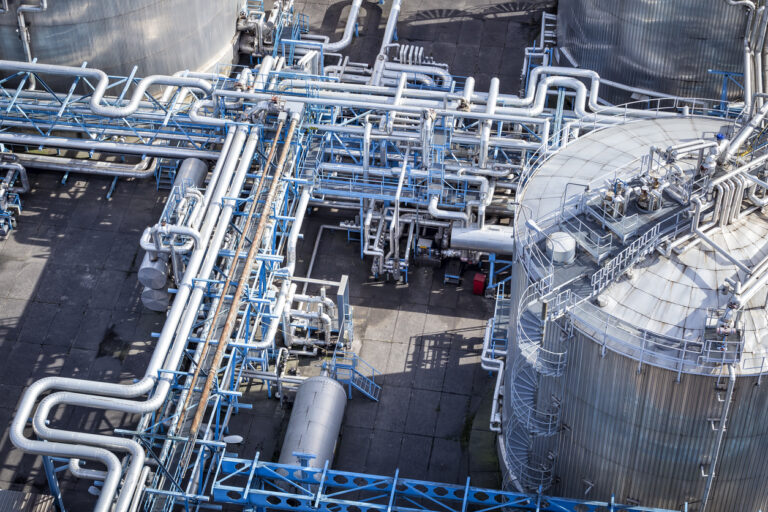
For Viva Energy, which operates Australia’s sole remaining refinery at Geelong alongside a nationwide fuel marketing and retail network, rising crude prices carry complex implications. While higher oil doesn’t automatically translate to better profits, the initial market reaction to geopolitical shocks typically treats refiners and integrated fuel distributors as beneficiaries, particularly when refining margins expand or inventory gains materialise.
Top Australian Brokers
- Pepperstone - Top Australian broker - Read our review
- eToro - Invest in ASX and international shares - Read our review
The energy sector has emerged as a clear winner during recent geopolitical flare-ups, with capital rotating into the space as both an inflation hedge and a play on supply tightness. That pattern repeated itself, with VEA joining peers in capturing strong buying interest while rate-sensitive sectors sold off on renewed inflation concerns.
Fundamental Support
The breakout occurred against a backdrop of improving company-specific fundamentals that had already begun to shift sentiment toward Viva Energy in recent months. In its FY25 results, the company reported a 33% lift in second-half EBITDA to approximately A$396 million, driven by strong Commercial & Industrial volumes and operational improvements across its refining and retail assets.
Management declared a fully franked final dividend, bringing total FY25 dividends to roughly 6.8 cents per share, and guided to continued momentum in FY26 supported by investments in convenience retail, commercial operations, and integration benefits from recent acquisitions. The combination of growing earnings and enhanced capital returns provided a fundamental anchor for the stock even before the macro catalyst emerged.
Adding weight to the bullish narrative, Macquarie upgraded its view on Viva Energy late last year, raising EPS estimates for 2025 and 2026 by 17% and 33% respectively on the back of stronger refining margins. Those upgrades reflected a view that the company’s operating leverage to the refining cycle and domestic fuel demand could drive multi-year earnings growth, not merely a one-off spike.
Beyond the macro and fundamental drivers, Thursday’s move carried significant technical weight. A breakout to a new 52-week high on strong volume is a classic bullish signal, often attracting trend-following systems, momentum funds, and discretionary traders who view such moves as confirmation of a new uptrend leg.
Energy stocks that had been consolidating or underperforming found themselves suddenly in demand as markets sought liquid exposure to rising oil prices within the ASX universe.
Outlook and Risk
The durability of the rally will depend heavily on factors largely outside Viva Energy’s control. Geopolitical oil shocks are notoriously volatile and can reverse as quickly as they emerge. Any unexpected de-escalation, diplomatic breakthrough, or strategic oil reserve release could see crude prices retrace sharply, taking energy equities with them.
A double-digit percentage gain in a single session also raises the spectre of overextension and profit-taking.
If VEA fails to hold above the old resistance level in coming sessions, technical analysts would characterise the move as a failed breakout, a pattern that often precedes sharp pullbacks.
Longer-term, sustained high oil prices carry their own risks for fuel distributors as demand destruction becomes a real concern if consumers and businesses curtail discretionary driving and transport activity in response to elevated prices. Political and regulatory pressure around fuel pricing can also intensify when crude spikes, potentially squeezing margins or inviting government intervention.
Refining margins and volumes remain inherently cyclical, and the recent broker EPS upgrades assume favourable conditions that may not persist if the global economy slows or if refining capacity additions outpace demand growth.
For traders and momentum-focused investors, the key levels to watch are the prior resistance zone, now expected to act as support, and the A$2.49 intraday high as a reference point for follow-through versus failure. A clean hold above the breakout level would suggest bulls remain in control and could invite further upside as technical buyers add positions.
From a fundamental perspective, the more durable drivers will be earnings growth, capital returns, and Viva’s structural position in Australian fuel supply. If the macro shock gradually fades but underlying operations continue to improve, the stock would likely establish higher lows even if it gives back some of today’s spike. Markets will now watch closely to see if the breakout marks the start of a sustained uptrend or merely a transient reaction to geopolitical noise that fades as quickly as it arrived.
Bull Case:
- Middle East conflict drives oil prices higher, boosting refining margins and sector sentiment
- Technical breakout to 52-week high on strong volume confirms new uptrend momentum
- Recent 33% EBITDA lift and broker EPS upgrades validate improving fundamental trajectory
- Fully franked dividends and capital returns provide valuation support at current levels
- Energy sector rotation as inflation hedge attracts institutional capital into liquid ASX plays
Bear Case:
- Geopolitical oil spike may prove transient if conflict de-escalates or reserves released
- Single-day 15% rally risks profit-taking and failed breakout if support breaks
- Sustained high oil prices could trigger demand destruction and political pricing intervention
- Refining margins remain cyclical and vulnerable to capacity additions or economic slowdown
- Broader market inflation fears from energy spike may pressure equity valuations overall




