



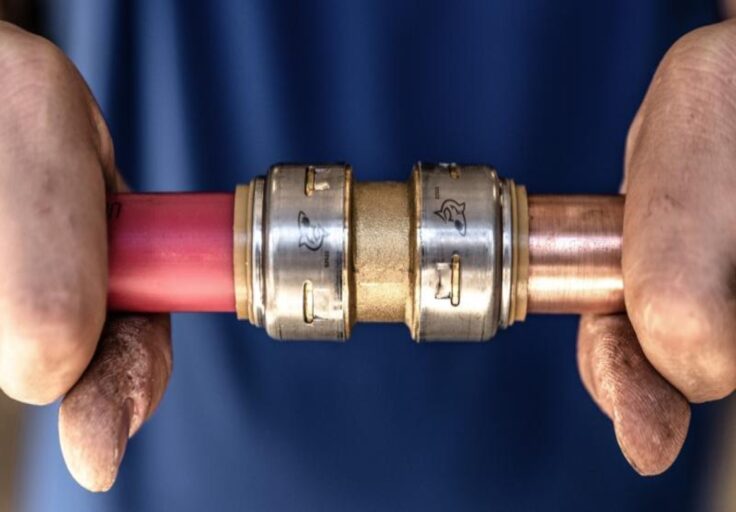
Reliance Worldwide Corporation Limited (ASX:RWC) shares experienced a sharp decline, hitting a new 52-week low as persistent underperformance weighed on market sentiment. The plumbing and heating solutions provider is now facing increased scrutiny, with the shares the worst performer on the ASX 20o (XJO) today.
The stock closed at A$3.75 on the ASX today, a 5.06% drop, after reaching a low of A$3.70 earlier in the session. This latest downturn brings the year-to-date decline to 26.18%. Markets are now eyeing historical support levels from early 2023 around A$3.60 and the mid-A$3.40 range as potential areas where buying interest may emerge.
Recent corporate developments have added to the complex picture surrounding RWC. On October 24, the company announced the lapse of 1,963,569 performance rights due to unmet conditions, signalling a possible shift in capital management. An investor presentation held the day before, aimed to address market concerns and outline the company’s strategic direction. Simultaneously, CEO Heath Sharp received 1,292,720 rights under the Equity Incentive Plan, increasing his total holdings to 4,044,387 rights.
The company’s Annual General Meeting (AGM) on October 22, 2025, saw the re-election of directors and approval of a long-term incentive grant for the CEO. However, a “second strike” against the Remuneration Report, due to significant opposition, highlighted shareholder unease.
Financial performance data reveals a mixed picture. While RWC declared a dividend for the six months ending June 30, 2025, analysts have pointed to a return on equity (ROE) of 9.0% and net income growth of 3.9% over the past five years, lagging behind the industry average of 11%.
Top Australian Brokers
- Pepperstone - Top Australian broker - Read our review
- eToro - Invest in ASX and international shares - Read our review
The recent events at the AGM underscore some shareholder concerns. The ‘second strike’ indicates that a notable percentage of shareholders were not satisfied with the company’s executive compensation structure. Under Australian corporate regulations, if a company receives a ‘second strike’, meaning 25% or more of shareholders vote against the remuneration report for two consecutive years, it triggers a vote on whether to spill the board.
Looking ahead, RWC’s ability to address shareholder concerns and improve its financial performance will be crucial for stabilizing its share price. Markets will be closely watching for any signs of improvement in key metrics and a more positive outlook from management. For now, it seems RWC’s shares face headwinds amidst shareholder discontent and performance concerns; navigating these challenges will be crucial for recovery.




