



Karoon Energy shares (ASX: KAR) rebounded sharply from multi-year lows to give holders something to smile about heading into this new week. The Karoon Energy share price closed 9.13% higher at A$1.38, a significant shift from Friday’s multi-year low of A$1.26 that had seen shares sit 35% lower on the month. So why the sudden shift in sentiment today?
The rally came after the oil producer announced the successful restart of a key Brazilian well and unveiled plans for an expanded share buyback program. Markets responded bullishly to operational progress at the company’s flagship Baúna field offshore Brazil, coupled with management’s signal that it remains committed to returning capital despite a challenging operating environment. Here’s a closer look.
Why Are Karoon Energy Shares Bouncing?
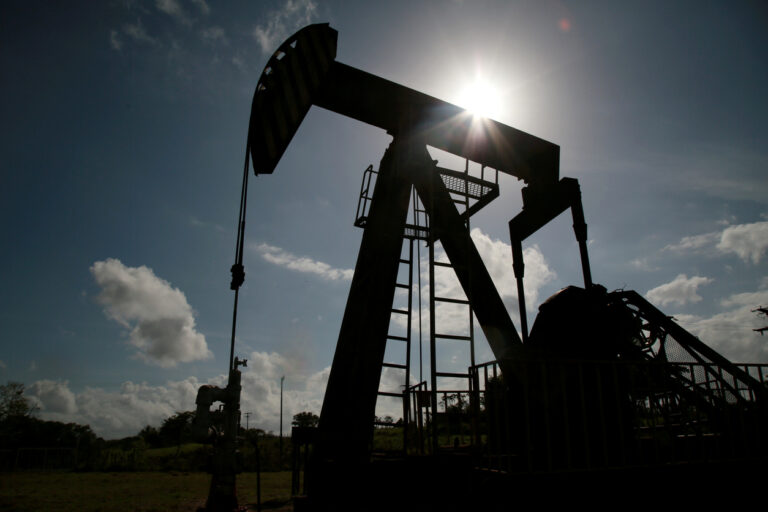
The catalyst for Monday’s move was confirmation that Karoon has successfully resumed production from its Baúna SPS-92 well, which had been offline due to electrical submersible pump failures. The well is now flowing at approximately 8,600 barrels of oil per day, lifting total Baúna output to around 20,500 bopd before accounting for natural field decline. Management indicated that a further 1,000 to 2,000 bopd uplift is expected once the PRA-2 well returns online following its own intervention work.
The SPS-92 restart addresses one of the key operational overhangs that had weighed on the stock through the first half of 2026. Karoon had previously flagged well interventions and ESP replacements as critical to stabilising and growing Baúna production, and the successful execution of the SPS-92 work provides tangible evidence that the company is making progress on its intervention campaign. The additional volumes are expected to materially improve near-term cash flow generation at a time when the company faces elevated capital expenditure and a volatile oil price environment.
Capex Guidance Raised
Alongside the production update, Karoon revised its fiscal 2026 capital expenditure guidance to A$178 million to A$202 million, up from a previous range of A$150 million to A$183 million. The increase is driven primarily by higher spending at Baúna, which has been lifted to A$89 million to A$97 million from A$61 million to A$74 million, reflecting the cost of well interventions, FPSO-related work, and other life-extension projects.
Top Australian Brokers
- Pepperstone - Top Australian broker - Read our review
- eToro - Invest in ASX and international shares - Read our review
Offsetting some of the Baúna increase, capex at the Who Dat field in the Gulf of Mexico has been trimmed to A$72 million to A$85 million from A$76 million to A$94 million, while exploration and appraisal spending has been lifted modestly to A$14 million to A$16 million. Management emphasised that the elevated Baúna capex is largely front-loaded investment aimed at stabilising production and extending field life, and that sustaining capital requirements are expected to fall materially over the next few years once current projects are completed.
The guidance revision comes as Karoon continues to navigate operational challenges at Who Dat, where production for calendar 2026 has been cut to 1.2 million to 1.5 million barrels of oil equivalent net revenue interest, down from an earlier range of 2.1 million to 2.5 million barrels. The downgrade reflects delays in remediation and infrastructure restoration work, particularly around the E-manifold, which has pushed the return of full production capacity into the second half of 2027. The Who Dat setback has forced Karoon to lean more heavily on Baúna to deliver group production and cash flow targets, increasing the strategic importance of the Brazilian asset.
Buyback Expansion
In a move that markets interpreted as a strong vote of confidence in the company’s valuation, Karoon announced plans to launch a further on-market share buyback of up to 10% of issued capital starting in July. The new program will commence following completion of the second phase of the company’s existing US$75 million buyback, which has seen Karoon repurchase and cancel 94.3 million shares at a total cost of approximately A$97 million, representing an average price of A$1.57 per share.
The decision to expand capital returns at a time when the stock is trading near multi-year lows sends a clear signal that management believes the current share price materially undervalues the company’s asset base and future cash flow potential. The buyback also provides technical support for the stock by reducing the free float and increasing earnings per share for remaining holders, all else equal. However, the program has drawn some scrutiny given that the average repurchase price to date sits above Friday’s closing low, raising questions about the timing and effectiveness of prior buyback tranches.
What Lay Ahead
Broker commentary heading into Monday’s session had been cautious, with several analysts highlighting 2026 as a transition year for Karoon characterised by operational challenges, elevated capex, and Who Dat uncertainty. The successful SPS-92 restart provides a degree of operational de-risking and should support near-term earnings estimates, but the medium-term outlook remains mixed given the structural downgrade to Who Dat production and the need to demonstrate that Baúna can sustain higher output levels over time.
Technical factors also played a role in Monday’s rally. The stock had become deeply oversold following its decline to A$1.26, and the combination of positive operational news and buyback support created conditions for a sharp short-term bounce. Whether the move marks a durable bottom or simply a relief rally within a longer-term downtrend will depend on the company’s ability to execute on its intervention programs, stabilise production guidance, and navigate the macro environment without further negative surprises.
Bull Case:
- SPS-92 restart delivering 8,600 bopd materially improves near-term Baúna cash flow generation
- Expanded 10% buyback signals strong management confidence in valuation at current levels
- Elevated capex is front-loaded; sustaining capital expected to fall materially in coming years
Bear Case:
- Who Dat production cut to 1.2-1.5 MMboe extends timeline for full capacity to 2H27
- Higher FY26 capex increases capital at risk amid volatile oil prices and operational uncertainty
- Baúna natural decline and PRA-2 execution risk threaten sustainability of production uplift




