



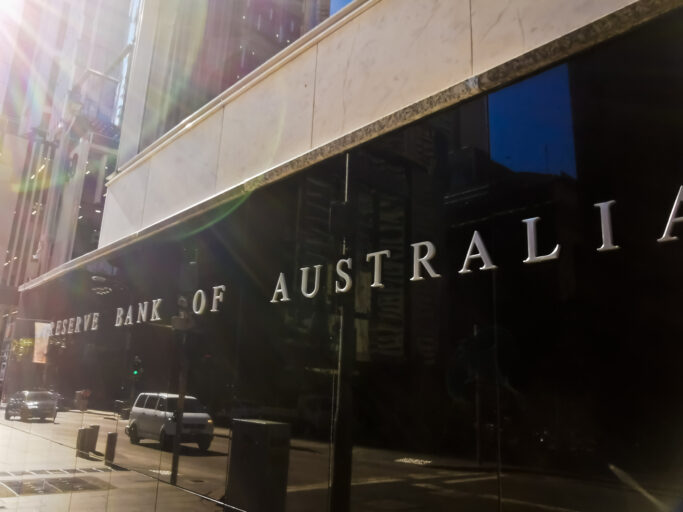
Australia’s consumer price index accelerated to a two-and-a-half-year high of 4.6% in March, yet the softer-than-feared print has perhaps eased at least a little of the pressure on the Reserve Bank ahead of next week’s critical interest rate decision.
The Australian dollar initially dipped before recovering ground following the data release, as traders recalibrated expectations for the RBA’s 5 May meeting. Overnight indexed swaps pricing, which had reflected an 80-85% probability of a 25 basis point hike before the data, pulled back modestly as markets digested the headline miss.
Australian government bond futures rallied in the two-to-three-year sector, with yields compressing as the most aggressive tightening scenarios were taken off the table. Rate-sensitive ASX sectors including property trusts and consumer discretionary stocks saw relief buying, though gains remained measured given the still-elevated inflation backdrop.
Inflation Running High, Just Not As High As Expected
The Australian Bureau of Statistics reported annual CPI inflation of 4.6% for the twelve months to March, up sharply from 3.7% in February and marking the highest reading since September 2023. However, the figure came in below consensus economist forecasts of 4.8%, providing a degree of relief to markets that had been bracing for a more severe overshoot.
Top Australian Brokers
- Pepperstone - Top Australian broker - Read our review
- eToro - Invest in ASX and international shares - Read our review
On a monthly basis, consumer prices rose 1.1% in March, the fastest pace since July 2025, driven primarily by a 9.2% surge in transport costs. Automotive fuel prices spiked 32.8% month-on-month as the escalating Middle East conflict pushed global oil benchmarks sharply higher, with Australian motorists bearing the brunt of geopolitical tensions thousands of kilometres away.
Housing emerged as the largest contributor to annual inflation, advancing 6.5% year-on-year as rental costs, new dwelling expenses and related housing services continued their relentless climb. The persistent strength in this heavily weighted category raises concerns about sticky core inflation pressures that monetary policy struggles to address directly.
Electricity prices delivered another unwelcome jolt to household budgets, surging 25.4% annually. The sharp increase largely reflects the removal of Commonwealth and state government rebates that had previously capped electricity costs for households, representing a policy-driven inflation spike rather than underlying demand pressure.
Crucially for RBA deliberations, the trimmed mean measure of inflation which strips out volatile items like automotive fuel and is the central bank’s preferred core gauge remained unchanged at 3.3% for the twelve months to March. This stability suggests the headline re-acceleration has not yet bled into broader price-setting behaviour across the economy, providing the RBA Board with greater optionality when it convenes next Tuesday.
The central bank has already delivered two 25 basis point rate increases in 2026, lifting the official cash rate from 3.85% to the current 4.10% at its March meeting. This tightening cycle places Australia among the more hawkish developed market central banks, diverging from peers that remain on hold or are contemplating cuts.
Recent RBA communications have emphasised that inflation remains too high and that returning it to the 2-3% target band in a reasonable timeframe is essential. Board members have been particularly alert to upside surprises and second-round effects from energy prices and housing costs, both of which featured prominently in the March data.
What This Means
The softer-than-expected print has transformed the 5 May meeting from a near-certainty into a genuinely data-dependent decision. While markets still favour a hike as the more likely outcome, the stable trimmed mean reading and the supply-driven nature of much of the overshoot strengthen the case for patience.
Looking to the banks for clues, Westpac has reaffirmed its expectation of a May rate rise, arguing that the overall message is that inflation is too high and risks are tilted to the upside, even with the marginal headline miss. Others point to the fact that much of the Iran-related price pressure has yet to flow through to the broader economy, suggesting inflation readings could look worse in coming months regardless of domestic demand conditions.
The composition of the inflation also matters enormously for policy.
Housing tightness reflects structural supply constraints that higher interest rates cannot quickly resolve, while the fuel and electricity spikes are largely external or policy-driven shocks. This limits the RBA’s ability to “fix” inflation through conventional monetary tightening, yet the central bank must also guard against allowing elevated inflation expectations to become entrenched.
Australia’s labour market remains relatively tight, with unemployment around 4.3% and participation near record highs at 66.8%. Wage growth of approximately 3.4% is not yet a runaway wage-price spiral, but it is consistent with above-target inflation if productivity remains weak. The risk of a policy mistake looms larger as real disposable incomes come under pressure from surging essential costs, raising the spectre of a hard landing if the RBA tightens too aggressively.
For equity markets, the removal of tail-risk scenarios such as a 50 basis point move provides short-term relief for rate-sensitive sectors. However, the backdrop remains challenging for domestic cyclicals, housing-linked stocks and consumer discretionary names as higher-for-longer rates and squeezed household budgets weigh on earnings prospects.
The March CPI print confirms that Australia’s inflation challenge is far from resolved, yet it buys the RBA time to assess whether the latest spike is a transitory supply shock or the beginning of a more troubling re-acceleration. With the central bank walking a tightrope between inflation and the economy, next Tuesday’s decision will hinge on whether policymakers believe they have already done enough or whether the risks of inaction now outweigh the risks of overtightening.




