



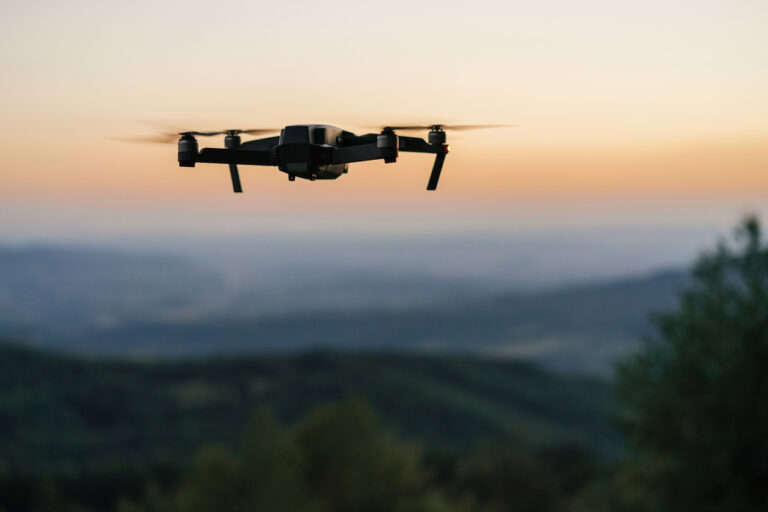
DroneShield shares (ASX: DRO) surrendered the $4 price level after extending its sharp pullback to a third consecutive session, raising questions about whether recent profit-taking has run its course or signals deeper concerns among markets.
The Droneshield share price closed 5.5% lower at A$3.95 on the Australian Securities Exchange, marking the third straight day of heavy selling pressure. The cumulative three-day decline now stands at 16.5%, erasing a significant portion of the stock’s earlier 2026 gains.
Despite the recent weakness, shares remain 18.6% higher since the start of the year, reflecting the volatile nature of the counter-drone technology sector. The stock had been trading above A$4.70 before the selloff commenced earlier in the week.
The recent decline follows DroneShield’s trading update this week, which revealed exceptional financial performance for the full year 2025. The company reported a 277% surge in annual revenue to A$216.5 million, significantly exceeding market expectations and demonstrating robust demand for its counter-unmanned aerial systems technology. The milestone achievement of A$200 million in cash receipts represented a validation of the company’s growth trajectory and expanding market presence.
Top Australian Brokers
- Pepperstone - Top Australian broker - Read our review
- eToro - Invest in ASX and international shares - Read our review
However, markets reacted counterintuitively to the stellar results, with the share price falling approximately 6% on the day of the announcement. The strong revenue performance triggered the vesting of 9.2 million employee stock options, introducing concerns about potential share dilution as these options may eventually be exercised and sold into the market.
The company’s financial success comes against a backdrop of governance challenges that emerged in late 2025. In November, CEO Oleg Vornik and other directors sold substantial shareholdings totaling approximately A$70 million, a move that coincided with the sudden resignation of the company’s U.S. CEO and an administrative error requiring the retraction of a contract announcement. These events precipitated a sharp share price decline at the time and may continue to influence market sentiment.
The current selloff appears driven by multiple factors converging simultaneously. Profit-taking represents the most immediate catalyst, as markets lock in gains following the stock’s strong performance throughout early 2026. The vesting of employee options adds a technical headwind, with the potential for increased supply weighing on near-term price action.
The counter-drone technology sector has experienced heightened volatility despite securing significant government and commercial contracts globally. DroneShield’s exposure to defense spending cycles and geopolitical developments creates both opportunity and risk, contributing to rapid price swings that challenge even long-term holders.
From a technical perspective, the breach of the A$4 psychological level may trigger additional selling from momentum-focused traders, though the stock’s year-to-date gains suggest underlying strength remains intact. The company has not provided specific revenue guidance for 2026, leaving markets to extrapolate from current order books and broader defense industry trends.
While DroneShield’s fundamental business momentum remains robust with triple-digit revenue growth, the combination of profit-taking, option dilution concerns, and lingering governance questions has created a challenging near-term environment for the stock. Markets will likely seek evidence of sustained order flow and management stability before re-establishing conviction at higher price levels, though the company’s strategic positioning in a growing sector provides a foundation for potential recovery once the current technical pressure subsides.




