
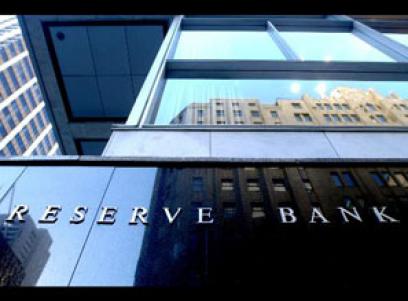
Australia’s four major banks have unanimously agreed that the Reserve Bank of Australia will lift the official cash rate by 25 basis points to 4.85% this week (November 3), as a hotter-than-expected inflation print increased the odds of a fifth hike.
The September CPI data set the latest expectations in motion, as pricing for a November rate increase jumped from ~69% before, to ~79% in the hours that followed. Australian short-term bond yields also moved sharply higher as traders unwound positions built on the assumption that the RBA’s tightening cycle had already peaked.
Headline CPI rose 4.3% on an annual basis, while the trimmed mean, the RBA’s preferred measure of underlying inflation, came in at 3.6%. Both figures were hotter than expected, reinforcing concerns that inflation is proving stickier than the central bank had hoped when it paused its rate hiking cycle earlier in the year.
What The Big Four Say About Rates
Commonwealth Bank of Australia, through its head of Australian economics Belinda Allen, had already been flagging a November move, and the inflation data firmed that call. Allen expects the RBA’s updated forecasts, due alongside the November decision, to show higher inflation projections, driven by elevated fuel prices and a reassessment of domestic capacity pressures.
Top Australian Brokers
- Pepperstone - Top Australian broker - Read our review
- eToro - Invest in ASX and international shares - Read our review
CBA also anticipates the RBA will downgrade its GDP growth forecasts and lift its unemployment projections, painting a picture of an economy that is beginning to feel the cumulative weight of 13 rate increases delivered since May 2022.
National Australia Bank shifted it’s forecast for a November hike, joining ANZ and Westpac which had already staked out a position in the raise camp. With all four major banks in agreement, it would take a contrarian call from the RBA here, and one which is increasingly unlikely.
On the fiscal side, Treasurer Jim Chalmers acknowledged that inflation is unlikely to return comfortably within the RBA’s 2% to 3% target band until the end of 2027. That timeline, if accurate, would represent an extended period of elevated borrowing costs and constrained household purchasing power, with limited room for government stimulus without the risk of adding further inflationary pressure.
Westpac chief economist Luci Ellis was direct in her assessment of the data and its implications.
“We are expecting the RBA to hike next week. I don’t think they’re going to go again after that, but that’s assuming things turn out as we expect,”
What About 2027?
With markets expecting the November decision to go according to consensus, the question then turns to what happens next. Off the back of the Halloween weekend, it couldn’t get scarier still, could it?
Both CBA and Westpac are working from a base case of a single hike followed by an extended hold, with the RBA expected to remain on the sidelines at its December and February meetings as policymakers wait for clearer evidence of how the economy is absorbing the cumulative impact of higher rates.
CBA’s Allen expects the economic costs to become more visible in the months ahead, with weaker GDP growth, softer residential property prices, and a rising unemployment rate all forecast to materialise as the lag effects of monetary tightening work through the system. That trajectory, while uncomfortable for households and businesses, may provide the RBA with the justification it needs to hold rates steady rather than extend the hiking cycle further.
For the housing market specifically, the combination of a higher cash rate and a projected softening in home prices creates a challenging environment for both existing mortgage holders and prospective buyers, particularly in Sydney and Melbourne where debt-to-income ratios remain elevated. Commercial banks will face a delicate balancing act: while higher rates support lending margins in the short term, a deterioration in borrower quality and a slowdown in new credit demand could offset those gains over a 12 to 18 month horizon.
The structural inflation pressures identified by the Treasurer, including global energy price volatility, supply chain disruptions, and the costs associated with the energy transition and data infrastructure investment, suggest that the path back to the RBA’s target midpoint will be neither smooth nor swift. That reality leaves businesses and households navigating an environment where the cost of capital remains elevated for longer than many had anticipated at the start of the year.
With Australia’s Big Four banks speaking with one voice ahead of the November 3 meeting, the debate has shifted from whether the RBA will hike to what the economic fallout will look like in the months that follow. What a difference a year makes.