



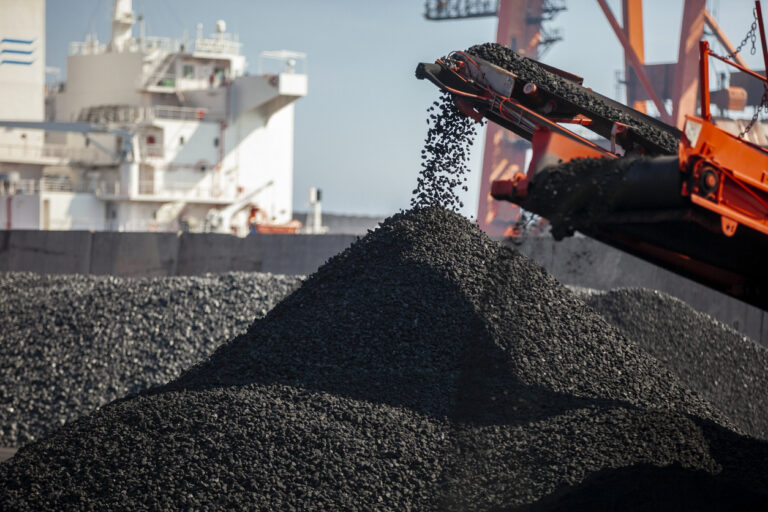
Australian coal producers jumped sharply on Monday as a deadly explosion at a major Chinese mine triggered fears of tightening supply and sent commodity futures soaring across Asia’s trading hubs.
Whitehaven Coal led the rally, climbing 8.7% as the stock rode a wave of renewed optimism for near-term coal prices. Yancoal Australia advanced 7.5%, while New Hope Corp. gained 4.7%, with all three names outpacing the broader ASX 200 index by a considerable margin. The moves came as Chinese coking coal futures surged nearly 8% to their daily trading limit, reflecting immediate market expectations that domestic output would face significant disruption in the weeks ahead.
The catalyst for today’s rally was a gas explosion late Friday evening at the Liushenyu coal mine in Shanxi province’s Qinyuan county, which killed at least 82 miners and hospitalised more than 120 others. The disaster marks China’s deadliest coal mining accident since 2009 and has already prompted President Xi Jinping to order a thorough investigation and strict accountability for those responsible
What Happened?
Shanxi province produces roughly one-third of China’s total coal output, making any disruption to its mining operations a material event for global coal markets. The Liushenyu mine, operated by Shanxi Tongzhou Coal & Coke Group, had previously been flagged on a national list of “disaster-prone” facilities due to high gas content. Early investigative reports from Chinese authorities have pointed to serious violations of safety laws and discrepancies between approved blueprints and the actual mine layout, which also hampered rescue operations.
The political response has been swift and uncompromising. State and provincial authorities have launched a comprehensive safety probe into the operator, with Beijing signalling that tougher enforcement of safety rules will follow. Markets are now pricing in the likelihood that safety inspections will be rolled out across Shanxi and neighbouring coal-producing regions, potentially forcing temporary shutdowns and stricter operating standards that could constrain near-term supply.
Top Australian Brokers
- Pepperstone - Top Australian broker - Read our review
- eToro - Invest in ASX and international shares - Read our review
For Australian coal producers, the calculus is straightforward: reduced Chinese domestic output typically translates into higher import demand and stronger benchmark prices for seaborne thermal and coking coal. Whitehaven, Yancoal and New Hope all have meaningful operating leverage to coal prices, with incremental price gains flowing largely to the bottom line once sustaining capital expenditure is covered. All three companies have used prior price upcycles to de-lever their balance sheets and return capital to shareholders through dividends and buybacks, making them attractive to income-focused portfolios when coal prices strengthen.
Longer Term Implications
The near-term outlook for ASX coal stocks hinges on the scope and duration of China’s safety crackdown. If inspections prove extensive and lead to multi-month supply constraints, the bullish case for coal prices and related equities could extend well into the second half of 2026. The rapid move in Chinese coal futures suggests that commodity traders are already positioning for tighter markets, lending fundamental support to the equity rally rather than treating it as pure sentiment-driven speculation.
However, the sustainability of the move faces several challenges. The rally is being driven by a tragic, exogenous event rather than a structural improvement in coal demand fundamentals. If Chinese safety inspections prove shorter or less disruptive than feared, both coal prices and equities could mean-revert quickly. There is also the risk that high-profile disasters with mass casualties strengthen the political case for faster rollout of non-coal generation capacity and more aggressive coal-plant retirements over time, reinforcing terminal value concerns for long-life coal assets.
China’s policy unpredictability adds another layer of complexity. Beijing has previously used import quotas, tariffs and informal bans on Australian coal for political reasons, and markets remain wary of geopolitical tail risks tied to reliance on China as a marginal buyer. ESG considerations continue to weigh on sector multiples, with each spike tied to safety or environmental crises potentially strengthening calls for faster decarbonisation, insurance limitations and financing constraints.
Today’s jump in the sector reflects a genuine shift in near-term supply dynamics, with Chinese coal futures providing fundamental confirmation that markets are pricing in tighter conditions ahead. Yet the rally’s foundation, a catastrophic accident that has claimed dozens of lives, is not one to be cheered in any way. For now, the momentum favours the bulls as traders extrapolate higher prices into stronger cash flows and dividends, but the medium-term path will depend on whether Beijing’s safety crackdown proves fleeting or marks the start of a more sustained supply squeeze.




