



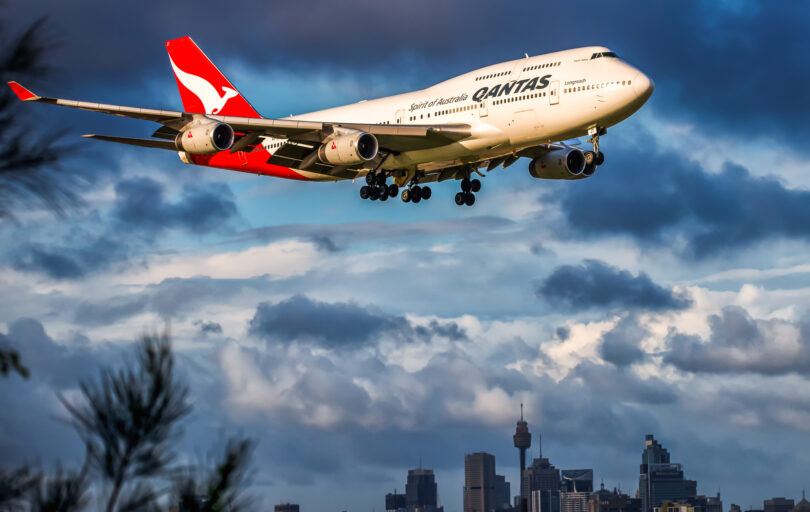
Alliance Aviation Services has secured a lifeline with its largest customer, triggering a dramatic intraday rally before trading was suspended pending further disclosure to the market.
The Alliance Aviation share price (ASX:AQZ) jumped 30.33% on Thursday morning before entering a trading halt around 10:45 AM, leading all ASX gainers for the session. The stock climbed from A$0.60 to close at A$0.78, as markets digested news of materially revised terms with Qantas Airways, though the shares remain 70.04% lower on a trailing twelve-month basis.
The trading halt will remain in place until Alliance releases a comprehensive announcement detailing the full scope of the Qantas agreement and its operational restructuring plan, expected to be before Monday’s opening bell. Markets had been bracing for potentially catastrophic outcomes around the Qantas wet-lease contract, which represents the core of Alliance’s earnings base, making Thursday’s relief rally particularly pronounced.
The Latest
Alliance announced it has successfully negotiated materially revised terms for its wet-lease agreement with Qantas Airways, the contract that underpins the bulk of the company’s revenue. Critically, the announcement included confirmation that Alliance will align its business with reduced fleet and flying requirements under the revised arrangement, signalling a strategic downsizing to match lower demand from its anchor customer.
The Qantas wet-lease relationship has been Alliance’s primary growth engine since mid-2021, when the national carrier began deploying up to 30 Embraer E190 jets operated by Alliance across its QantasLink network and regional routes. That expansion drove significant capital investment by Alliance into its E190 fleet, positioning the company for what management expected would be sustained, long-term utilisation under multi-year contracts.
Top Australian Brokers
- Pepperstone - Top Australian broker - Read our review
- eToro - Invest in ASX and international shares - Read our review
However, the economics of that arrangement came under severe pressure over the past 18 months. In early FY26 communications, Alliance disclosed that one of its major wet-lease contracts had become “commercially unviable” under its original terms, prompting management to guide for FY26 profit before tax of just $35–40 million and to launch a program of asset sales, cost cuts and operational restructuring.
The company has been working to offload surplus aircraft, engine cores and other aviation assets to reduce debt and preserve liquidity. Management also implemented tight expense controls and sought additional charter and ad hoc flying opportunities to improve utilisation rates across its owned fleet. Those measures, while necessary, underscored the structural challenges facing Alliance’s business model when its largest customer recalibrated its capacity and route strategy.
Under typical wet-lease structures in Australian aviation, the customer airline shoulders most fuel cost exposure and revenue risk, while the lessor earns relatively stable operating fees tied to aircraft availability and block hours flown. Alliance has previously reminded markets of this dynamic during periods of fuel price volatility, helping to stabilise sentiment when investors feared margin compression. The revised Qantas terms are expected to follow a similar risk-sharing model, though on a smaller scale than the original agreement.
Thursday’s rally offers a reprieve after a brutal twelve months, but the company’s longer-term investment case remains a work in progress. Markets have signalled relief that the worst-case Qantas scenario appears to have been avoided, yet there remains plenty of work to do if the company is to rebuild from here.




